
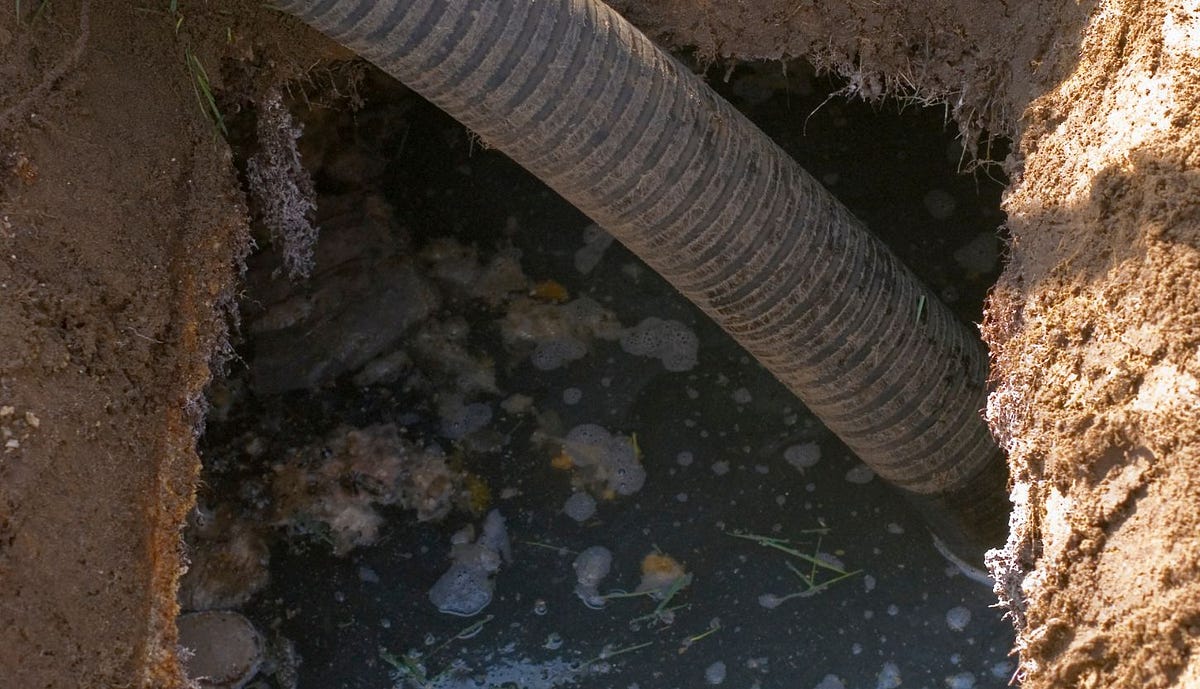
Strong Septic Tank Odors: What's Up With That Smell?
Let’s face it, nobody wants to deal with a smelly septic system. That awful, unmistakable odor can be embarrassing and even alarming. But before you panic, take a deep breath and understand that strong septic tank odors are usually a sign of a problem that can be solved.
In this guide, we'll dive into the common causes of these unpleasant smells and give you practical tips for managing the situation. We'll break down the science behind the stink and equip you with the knowledge to sniff out the culprit and make your septic system happy (and smell-free) again.
The Culprits Behind the Stink: Unmasking the Septic System Odors
The primary reason your septic system might be letting off a pungent aroma is a disruption in the delicate balance of its biological processes. Bacteria are the heroes of the septic system, breaking down waste into less harmful components. But when these beneficial bacteria are upset, you'll start to notice the consequences.
1. Overloading the System: It's All About Capacity
Think of your septic system like a bathtub. If you keep pouring water in without letting it drain, you'll eventually have an overflow. The same principle applies to your septic tank. When you overload it with too much waste, the bacteria can't keep up. This leads to a buildup of solids and sludge, which can produce those awful odors.
2. A Leaky Tank or Drain Field: Hidden Leaks Can Mean Stinky Trouble
If your septic tank or drain field has a leak, it's like opening a window for those unpleasant smells to escape. A crack in the tank or a damaged pipe in the drain field can allow wastewater to seep out, leading to a distinct septic odor in your yard or around your home.
3. The Pump Is Not Pumping: A Key Component Gone Wrong
A properly working septic pump is crucial for moving wastewater from your house to the septic tank. If the pump is malfunctioning or has a clog, the wastewater won't be transported correctly. This can cause a buildup in your plumbing system, leading to those pesky odors.
4. The Drain Field is Clogged: A Back-up in the System
The drain field, where treated wastewater is dispersed, is like the lungs of your septic system. When the drain field gets clogged with solids or roots, wastewater can back up, creating an unpleasant odor. This can be a serious problem, requiring professional attention to resolve.
5. The Vent Pipe: Not Just for Air, but for Odor Control, Too
The vent pipe, connected to your septic tank, is essential for releasing gases that naturally occur during the decomposition process. If the vent pipe is blocked or malfunctioning, these gases can't escape properly, leading to a buildup of pressure and odors.
Putting Your Nose to the Grindstone: How to Solve Those Septic Odors
Now that you know the main culprits, it's time to take action! Here’s how to manage those septic system smells and bring back the fresh air:
1. Preventative Measures: Keeping Your Septic System Happy
Preventing odors is easier than dealing with them after they arise. Follow these preventative measures to maintain a healthy and odor-free septic system:
- Limit Grease and Oil: Don't pour grease, oil, or fats down the drain. They can solidify and clog the pipes, leading to back-ups and odors. Use a grease trap if you cook frequently.
- Avoid Flushing Waste: Items like disposable wipes, paper towels, and feminine hygiene products are not designed to break down in your septic system. Only flush toilet paper. Use a small garbage bin for these items.
- Minimize Harsh Chemicals: Chemicals like bleach, disinfectants, and certain cleaners can kill off the beneficial bacteria in your septic tank. Try using natural and biodegradable cleaning solutions whenever possible.
- Be Aware of Your Septic Tank's Capacity: Regularly check your tank's level and avoid overloading it with excessive waste. If you have a large family or frequently host guests, you may need to pump the tank more often.
- Schedule Regular Inspections: Just like your car needs regular maintenance, your septic system benefits from professional inspections. Have a qualified technician inspect your septic tank and drain field every 1-3 years to catch potential problems early on.
2. If the Smell Persists: Time to Call in the Professionals
If you've taken preventative measures and the odor lingers, it's time to contact a qualified septic system professional. They'll have the tools and expertise to diagnose the problem and recommend the best course of action. Here's what they might do:
- Inspect Your Septic Tank: They'll examine the tank for leaks, cracks, and blockages. If needed, they can pump the tank to remove excess solids and sludge.
- Assess the Drain Field: They'll inspect the drain field to identify any signs of clogging or damage. Depending on the issue, they may need to repair or replace parts of the drain field.
- Check the Pump: They'll diagnose any problems with your septic pump, such as malfunctions or clogs, and offer solutions like repairs or replacements.
- Evaluate the Vent Pipe: They'll check the vent pipe for blockages, damage, or malfunctions. They may recommend cleaning the vent pipe or installing a new one.
Commonly Asked Questions
Still got questions? Here are answers to some commonly asked questions about septic tank odors:
1. What are some common signs of a septic system problem beyond odor?
Besides the unpleasant smell, there are other signs of a septic system problem, such as slow-draining sinks or toilets, gurgling sounds from your plumbing, or a wet spot or standing water in your yard near the septic tank.
2. How often should I have my septic system inspected and pumped?
Experts recommend inspecting your septic system every 1-3 years, and pumping the tank every 3-5 years. However, the frequency of pumping depends on factors like the size of your tank, the number of people in your household, and the amount of wastewater produced.
3. What if my septic system smells like sulfur?
A sulfurous smell can indicate a problem with the septic system, but it's not always a cause for concern. It could be due to rotten eggs, which naturally occur during the decomposition process. However, if the sulfur smell is strong and persistent, it's essential to contact a professional for inspection and diagnosis.
4. Can I use odor neutralizers in my septic system?
While some odor neutralizers may temporarily mask the smell, it's best to avoid using them. They can disrupt the delicate balance of bacteria in your septic system and potentially harm its function.
5. What are some tips for maintaining a septic system in cold climates?
In cold climates, septic systems require special attention. Insulating the tank and drain field can prevent freezing. Avoid using excessive water during freezing temperatures. And make sure the vent pipe is clear of snow and ice buildup.
Remember, a healthy septic system is an odor-free system! By following these tips, you can keep your septic system operating smoothly and free from unwanted smells. If you ever have any concerns, don't hesitate to reach out to a qualified septic system professional. They're there to help you keep your home smelling fresh and your septic system in tip-top shape.


No comments:
Post a Comment
Note: Only a member of this blog may post a comment.