Proven Methods to Stop Septic Tank Smells Naturally

Proven Methods to Stop Septic Tank Smells Naturally

Proven Methods to Stop Septic Tank Smells Naturally

Unpleasant odors emanating from a septic system are a common and undesirable problem for homeowners. While chemical solutions exist, many individuals prefer natural and environmentally friendly methods to address septic tank smells. This comprehensive guide explores proven, natural strategies to eliminate and prevent these offensive odors, focusing on preventative maintenance and addressing underlying issues.

Understanding the Source of Septic Odors

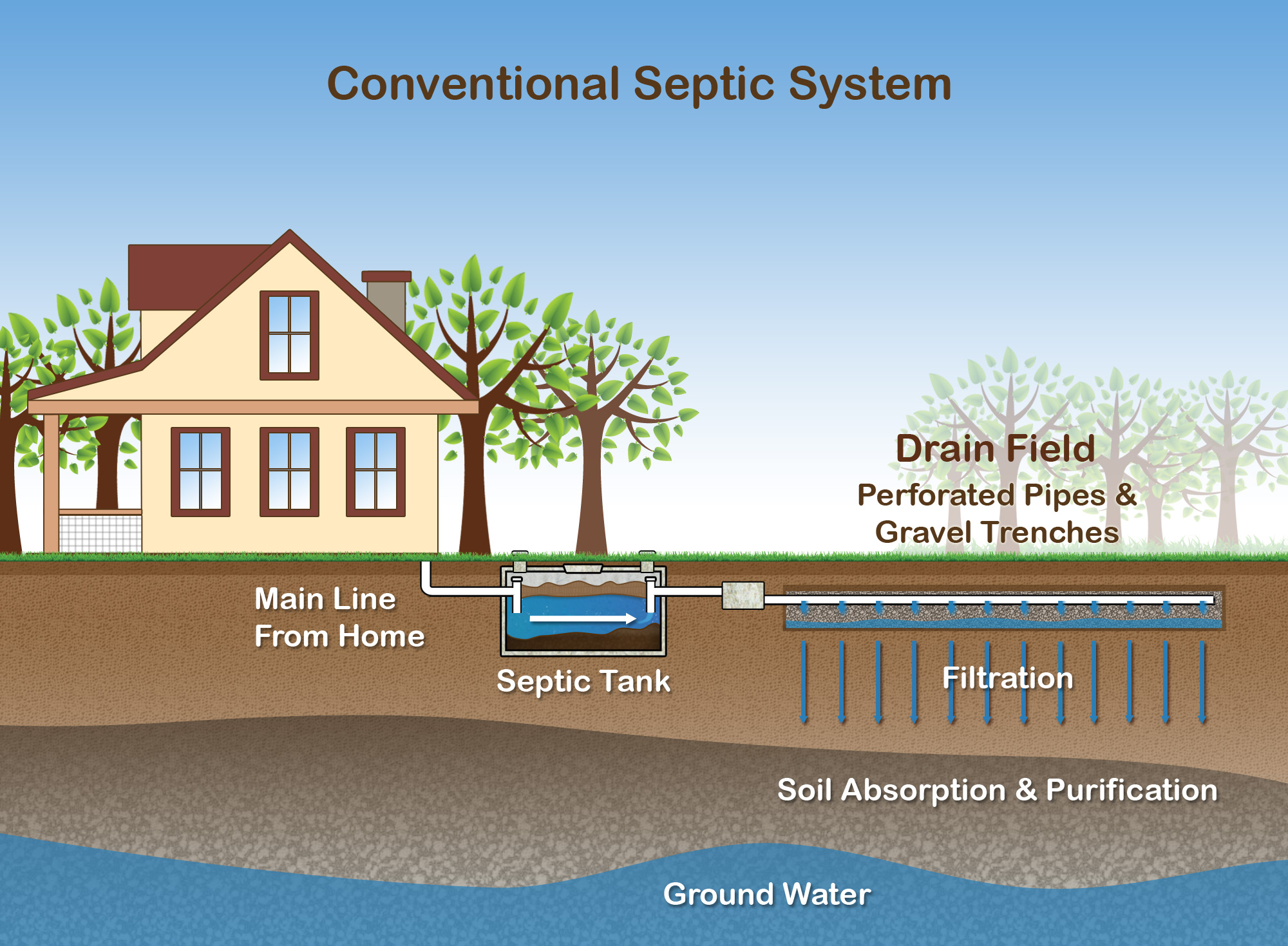
Before implementing any solution, understanding the root cause of the smell is crucial. Septic tank odors typically originate from the release of hydrogen sulfide (H2S) and other volatile organic compounds (VOCs) from the anaerobic decomposition of organic matter within the septic tank and drain field. These gases can escape through various pathways, including:

  • Leaks in the tank or pipes: Cracks or deteriorated seals in the septic tank or connecting pipes can allow gases to escape into the surrounding soil and eventually into the atmosphere.
  • Clogged drain field: A saturated or improperly functioning drain field cannot effectively process wastewater, leading to a buildup of wastewater and gases near the surface.
  • Improper ventilation: Inadequate ventilation of the septic tank can cause a pressure buildup, forcing gases to escape through other openings.
  • Insufficient bacterial activity: A lack of beneficial bacteria within the septic tank can result in incomplete decomposition of organic matter, leading to increased odor production.
  • Excessive organic waste: Introducing excessive amounts of grease, fats, oils, and other difficult-to-decompose materials into the system can overwhelm the bacterial activity and contribute to odor problems.

Addressing these potential issues is paramount to effectively eliminating septic tank smells naturally.

Natural Methods for Odor Elimination and Prevention

Several natural methods can be employed to combat septic tank odors. These approaches focus on enhancing the septic system's functionality and minimizing the production and release of odor-causing gases.

Boosting Beneficial Bacteria

Beneficial bacteria play a critical role in the decomposition process within a septic system. Introducing microbial cultures specifically formulated for septic tanks can significantly improve the efficiency of wastewater treatment, reducing the accumulation of odor-causing materials. These cultures can be purchased at most home improvement stores and are generally safe for the environment.

Regular application of these bacterial cultures, as per the manufacturer's instructions, can significantly enhance the system's ability to break down waste, thereby minimizing odors. It's important to choose a product specifically designed for septic systems, as other bacterial products may not be effective or could even be detrimental.

Maintaining Proper Wastewater Management

Careful management of wastewater entering the septic system is crucial for preventing odor problems. Avoid pouring excessive amounts of grease, oils, fats, and chemicals down the drain. These substances can clog pipes and overwhelm the bacterial population, leading to odor production. Similarly, minimizing the use of harsh cleaning chemicals can help maintain a healthy bacterial balance in the septic system.

Consider installing a grease trap in your kitchen to intercept grease and oils before they enter the septic system. This simple device can dramatically reduce the amount of difficult-to-decompose materials entering the system.

Improving Septic Tank Ventilation

Proper ventilation is essential to prevent a buildup of gases within the septic tank. A properly functioning vent pipe allows gases to escape safely into the atmosphere, preventing pressure buildup and reducing the likelihood of odors escaping through other pathways. Ensure that the vent pipe is not blocked and that it extends sufficiently above the roofline to allow for proper air circulation.

If you suspect a ventilation problem, contact a qualified septic system professional to inspect and repair the vent pipe. Improper ventilation can lead to serious problems, so professional assessment is recommended.

Addressing Soil Conditions Around the Drain Field

The condition of the soil surrounding the drain field significantly impacts the efficiency of the septic system. Compacted soil can impede the drainage of wastewater, leading to a buildup of gases and odors. Regularly inspect the area surrounding the drain field for signs of saturation or standing water. If the soil appears compacted, consider having a professional aerate the soil to improve drainage.

Avoid planting trees or shrubs directly over the drain field, as their roots can damage the drain lines and impede drainage. Similarly, avoid driving heavy vehicles over the drain field, as this can compact the soil and negatively impact its function.

Using Natural Deodorizers

While not addressing the underlying causes, natural deodorizers can help mask odors temporarily. Baking soda, vinegar, and activated charcoal are effective odor absorbers and can be strategically placed near the septic tank or drain field to help neutralize unpleasant smells. However, it's important to note that these are temporary solutions and do not address the root causes of the odor problem.

Regularly sprinkling baking soda near the septic tank access point can help absorb odors. Similarly, placing bowls of vinegar or activated charcoal in strategic locations near the septic tank may also help mask odors. Remember to replace these natural deodorizers periodically for optimal effectiveness.

Professional Maintenance and Inspection

Even with the implementation of natural odor control methods, regular professional maintenance and inspection of your septic system are crucial for long-term odor prevention. A qualified septic system professional can inspect your system for leaks, clogs, and other potential problems. They can also perform routine pumping, ensuring that the tank does not become overloaded and contributing to odor problems. Regular pumping, typically every 3-5 years depending on system size and household usage, is a critical aspect of preventative maintenance.

Preventative maintenance is significantly more cost-effective in the long run compared to dealing with major repairs or replacements necessitated by neglect. Proactive care ensures a smoothly functioning septic system, minimizing odor problems and prolonging the lifespan of the system.

By combining these natural methods with proactive maintenance and professional inspections, homeowners can effectively eliminate and prevent septic tank odors, maintaining a clean and healthy environment for their homes and families.
Share:

Septic Tank Smell Myths and Facts You Should Know

Septic Tank Smell Myths and Facts You Should Know

Septic Tank Smell Myths and Facts You Should Know

The presence of unpleasant odors emanating from a septic system is a common concern for homeowners. While a certain degree of odor is expected, particularly during periods of high water usage, a persistent or overwhelming smell can indicate a problem requiring immediate attention. This article aims to dispel common myths surrounding septic tank smells and provide factual information to aid in understanding, prevention, and remediation.

Myth 1: A Strong Septic Smell Always Indicates a Full Tank

While a full septic tank can contribute to unpleasant odors, it's not the sole cause. A full tank, technically exceeding its operational capacity, primarily leads to backups and sewage surfacing, not necessarily an intensified smell. The smell is typically associated with the release of gases produced during the anaerobic decomposition process within the tank. This process, crucial for breaking down waste, generates gases like hydrogen sulfide (the characteristic “rotten egg” smell), methane, and ammonia. These gases escape primarily through vents, but cracks in the tank, improperly sealed lids, or even inadequate ventilation can allow them to infiltrate the surrounding soil and air.

Fact: Multiple Factors Contribute to Septic Odors

Odors are often related to a combination of factors including:

  • Improperly functioning septic system components: A malfunctioning drain field, clogged pipes, or a failing septic tank can all contribute to increased odor production and escape.
  • Excessive water usage: Overloading the system can overwhelm its capacity to process waste, leading to backups and subsequent odor release.
  • Lack of maintenance: Regular pumping and inspection are crucial to prevent solids from accumulating and disrupting the natural decomposition process within the tank.
  • Ground conditions: Soil type and drainage significantly impact gas dispersal. Clay soils, for example, may retain gases, increasing the likelihood of surface odor.
  • Biological activity within the tank: Imbalances in the microbial community responsible for waste breakdown can influence odor production. An abundance of certain bacteria could lead to a stronger or different type of smell.

Myth 2: Bleach is an Effective Long-Term Solution for Septic Odors

Many homeowners resort to pouring bleach into their toilets to eliminate septic odors. While bleach can temporarily mask or neutralize some smells, its use isn’t recommended for long-term odor control, and it can be detrimental to the septic system's delicate ecosystem. Bleach kills beneficial bacteria crucial for the efficient breakdown of organic matter within the tank. Killing these bacteria disrupts the anaerobic digestion process, potentially leading to a slower decomposition rate, sludge build-up, and ultimately, more severe problems and odors down the line.

Fact: Bacterial imbalance is a significant factor in septic odor

The septic tank relies on a complex community of anaerobic bacteria to break down organic waste. These bacteria work most effectively within a specific pH range. Introducing substances such as excessive bleach disrupts this delicate balance, compromising the system's overall efficiency. Moreover, some bacteria that thrive in the presence of bleach might generate different, and potentially more unpleasant, odor compounds.

Myth 3: A Strong Smell Always Indicates a Need for Immediate Pumping

While regular pumping is essential for septic tank maintenance, a strong odor doesn't always necessitate an immediate call to a septic service provider. As previously discussed, numerous factors can contribute to unpleasant smells. It's crucial to investigate the root cause of the odor before concluding that pumping is the only solution. Addressing underlying issues, such as a clogged drain line or a malfunctioning drain field, might resolve the problem without the need for immediate and potentially unnecessary pumping.

Fact: Diagnosis is Key Before Intervention

A professional septic inspection is recommended to identify the precise cause of the odor. This inspection should involve a visual assessment of the tank and drain field, as well as potential testing of the effluent. A thorough evaluation helps to determine if the odor stems from a simple blockage, a more serious system malfunction, or merely requires a scheduled pumping.

Myth 4: You Can't Use Certain Cleaning Products with a Septic System

It's true that some household chemicals and cleaning products can negatively impact the septic system’s biological activity. However, the list of products to avoid is shorter than commonly perceived. Many commonly used cleaning products are generally compatible with a healthy septic system. However, avoid excessive use of strong disinfectants and chemicals containing harsh solvents, as these can harm beneficial bacteria and disrupt the decomposition process.

Fact: Moderation and Proper Use are Crucial

While not all cleaning products are septic-system antagonists, the key lies in moderation and informed usage. Using environmentally friendly, biodegradable cleaning products minimizes the risk of harming beneficial bacteria. It's advisable to check product labels for indications of septic system compatibility. Excessive use of any cleaning product, even those labeled as “septic-safe,” can still overwhelm the system's capacity.

Myth 5: Septic System Odors are Always Easily Solved

Some septic system odor issues are easily resolved with simple maintenance tasks, such as addressing minor clogs or ensuring proper ventilation. However, other instances might indicate more serious problems requiring professional intervention. These could involve significant structural damage to the tank or drain field, necessitating costly repairs or even system replacement. Ignoring persistent odors can lead to further deterioration and more extensive, expensive repairs.

Fact: Professional Help is Sometimes Necessary

If home remedies and simple maintenance steps fail to address persistent septic odors, seeking professional assistance is crucial. A licensed septic service provider can diagnose the underlying issue, recommend appropriate solutions, and perform necessary repairs or replacements. Early intervention often saves time, money, and prevents more significant environmental and health hazards.

In conclusion, understanding the myths surrounding septic tank smells is crucial for proactive maintenance and timely intervention. While a certain degree of odor is expected, a persistent or strong smell warrants investigation to determine the underlying cause. This investigation should involve a combination of understanding potential contributing factors and seeking professional assistance when needed. Regular maintenance, including scheduled pumping and inspections, is vital for preventing serious problems and ensuring the long-term health and efficiency of your septic system.

Share:

What Worked for Me to Stop Septic Tank Smells from Affecting My Neighbors

What Worked for Me to Stop Septic Tank Smells from Affecting My Neighbors

My Septic System Saga: Conquering Those Pesky Odors and Keeping the Peace

Okay, folks, let's talk about something nobody really wants to talk about: septic tank smells. Specifically, septic tank smells that are drifting over to your neighbors' properties and causing, let's just say, unpleasantries. I've been there, done that, and let me tell you, it's not a fun place to be. The awkward conversations, the worried glances, the potential for actual conflict...yikes! But I've finally gotten a handle on it, and I’m sharing my hard-won wisdom to save you the stress (and the strained relationships).

The Initial Horror Show

It started subtly. A faint whiff of something…off…on breezy days. Then, the complaints started. Not directly, mind you â€" at first, it was just sideways glances and overly polite conversations about the weather. Classic passive-aggressive neighbor stuff. But then came the more direct comments, the whispered conversations I overheard (seriously, people!), and the eventual, unavoidable confrontation. My septic system was making my neighbors' lives miserable. Ugh.

Let me paint a picture: picture-perfect suburban street, lovely homes, and…me, the source of a pervasive, offensive odor. Not exactly my dream scenario.

My Multi-Pronged Attack on the Smell

Right, so I knew I had to act. This wasn't just about my reputation; it was about being a good neighbor. I didn't want to be that guy. My approach was multifaceted, a full-on assault on the stinky enemy. Here's the breakdown:

1. The Professional Inspection and Pumping

First things first: I called in the professionals. This is crucial. Don't try to diagnose and fix a septic system problem yourself unless you're a qualified plumber. You could make things far worse. The septic company inspected everything, from the tank itself to the drain field. They discovered a few issues: some minor clogs, a slightly higher-than-optimal water level, and, most importantly, the tank was overdue for pumping. Turns out, it had been almost three years since the last pumping, and that's way too long! They pumped the tank, and, boom, immediate, noticeable improvement. A huge sigh of relief.

2. Addressing the Drain Field

The inspection also revealed some minor issues with the drain field. While not the primary source of the smell, the technician explained that a partially clogged drain field could contribute to backup and odor problems. They recommended avoiding things like excessive use of harsh chemicals, which can damage the bacteria that are essential for the breakdown of waste. They also emphasized the importance of regular maintenance and suggested using septic-safe products.

3. Lifestyle Changes: Less is More

Okay, this part wasn't fun, but it was necessary. We had to adjust our water usage habits. This meant being more mindful of how much water we were using â€" shorter showers, less frequent laundry, and being careful about what went down the drain. Think of your septic system as a delicate ecosystem â€" too much stress can lead to problems.

  • We installed low-flow showerheads and toilet flappers.
  • We made a conscious effort to fix leaky faucets immediately.
  • We also became much more careful about what we flushed. No more flushable wipes (they're NOT flushable!) or excessive amounts of grease down the drain.
  • 4. Strategic Landscaping

    This was a bit of a game changer. Our septic tank is located near a section of our yard that was always a little soggy. The technician suggested improving drainage in that area. This involved improving the grading of the soil to direct water away from the septic system. This simple change greatly helped with preventing standing water and, thus, the smell.

    5. Odor-Neutralizing Products

    Finally, I used some septic-safe odor-control products. These products contain beneficial bacteria that help break down waste more effectively, reducing odor. It’s important to choose products that are specifically designed for septic systems and are not harmful to the environment or the bacteria in your system. I used one every 3 months to keep things running smoothly and fresh.

    The Aftermath (and Happy Neighbors!)

    Let me tell you, the difference is night and day. The smells are gone, my neighbors are smiling (or at least, not glaring at me!), and I’ve learned a valuable lesson about responsible septic system maintenance. It wasn't cheap, but the peace of mind, and the improved relationship with my neighbors, was priceless. The whole experience felt incredibly stressful, but it taught me the importance of proactive maintenance and the value of good communication.

    If you’re dealing with septic issues, take action early. Address it head-on, before it becomes a full-blown neighborhood issue. Don't hesitate to call a professional â€" they're worth every penny.

    Commonly Asked Questions

    Q: How often should I get my septic tank pumped?

    A: This varies depending on factors like family size and water usage. It's best to consult a septic professional, but a general guideline is every 3-5 years.

    Q: What should I avoid putting down my drains?

    A: Avoid harsh chemicals, excessive grease, flushable wipes (they aren't!), feminine hygiene products, and anything that could clog your pipes or damage your septic system's beneficial bacteria.

    Q: What are some signs that my septic system needs attention?

    A: Slow-draining drains, gurgling sounds from your pipes, foul odors, lush green grass over your drain field (which could indicate sewage seeping to the surface), and sewage backups are all warning signs.

    Q: How much does septic tank pumping typically cost?

    A: Costs vary by location and the size of your tank. It's best to get quotes from several septic service companies.

    Hopefully, this helps anyone facing similar issues. Septic system maintenance might not be glamorous, but it's crucial for maintaining a peaceful coexistence with your neighbors (and your sanity!).

    Share:

    How to Fix Septic Tank Smells During and After Heavy Rain

    How to Fix Septic Tank Smells During and After Heavy Rain

    How to Fix Septic Tank Smells During and After Heavy Rain

    The unmistakable stench of sewage wafting through your yard after heavy rain can be a frustrating and unpleasant experience. If you own a septic system, you know that these smells are a common occurrence. While you may think this is an unavoidable part of living with a septic system, it is not. Septic tank smells during and after heavy rain are often a sign of underlying issues that can be fixed. Read on to understand why these smells occur and how to tackle them.

    Understanding the Cause: Septic Tank and Heavy Rain

    Heavy rainfall significantly impacts septic systems. As rainwater saturates the ground, the water table rises. This excess water can infiltrate the septic tank and leach field, disrupting the delicate balance of the system. The influx of water overloads the system, causing the bacteria responsible for breaking down waste to struggle. This can lead to a buildup of solids and gases, ultimately resulting in the unpleasant smell.

    Identifying the Source of the Smell

    To effectively address the septic tank smell, it's important to pinpoint its source. Here's a breakdown of the potential culprits:

    1. Leaking Septic Tank

    Cracks or gaps in the septic tank can allow wastewater to seep into the surrounding soil, creating a foul odor. Inspect the tank for visible damage, and if you suspect a leak, contact a qualified septic contractor immediately.

    2. Clogged Drainfield

    The drainfield is responsible for filtering and dispersing wastewater. When it becomes clogged with solids, it can lead to backup and odor. A clogged drainfield may need professional cleaning or even replacement.

    3. Overflowing Septic Tank

    If the septic tank overflows, wastewater can escape through the lid or other openings, causing a strong smell. Ensure the tank is pumped regularly to prevent overflow.

    4. Broken Vents

    Septic tanks have vents that allow gases to escape. A broken vent can trap these gases, leading to pressure buildup and odor release. Check the vent for damage and repair or replace it if necessary.

    Tackling the Smell: Actionable Steps

    Once you've identified the source of the odor, you can implement these solutions to mitigate the smell:

    1. Regular Pumping

    Regularly pump your septic tank to ensure that it doesn't become overloaded. Schedule a pump-out every 2-3 years or more frequently if you have a large household or a lot of guests.

    2. Septic Tank Additives

    Using septic tank additives can help break down solids and improve the overall efficiency of the system. Choose a product that is specifically formulated for septic tanks and follow the manufacturer's instructions carefully.

    3. Drainfield Maintenance

    Prevent clogging by limiting the amount of grease, hair, and other non-biodegradable materials that go down the drain. Consider using a drain strainer to catch these items. Also, avoid pouring chemicals down the drain, as they can harm the bacteria in the septic system.

    4. Septic System Inspection

    A professional septic system inspection is crucial to identify any underlying issues that could be contributing to the smell. A licensed septic inspector can assess the tank, drainfield, and other components of your system and recommend necessary repairs.

    Preventing Future Issues

    Beyond addressing the current odor, proactive measures can help prevent future problems:

    • Install a rain garden or French drain to divert rainwater away from the septic system.
    • Use water-conserving appliances and practices to reduce the amount of water going into the septic system.
    • Monitor the level of the septic tank and pump it out before it overflows.
    • Regularly inspect the system for any signs of damage or leaks.

    Living with a septic system doesn't have to be a smelly ordeal. By understanding the causes of odor, taking immediate action to address them, and implementing preventive measures, you can keep your home smelling fresh and your septic system running smoothly. If you have any concerns about your septic system, don't hesitate to consult a qualified septic contractor for professional advice and assistance.

    Share:

    How to Use Molasses and Other Ingredients for Homemade Septic Tank Treatment

    How to Use Molasses and Other Ingredients for Homemade Septic Tank Treatment

    Homemade Septic Tank Treatment: Harnessing the Power of Molasses and Other Ingredients

    Maintaining a healthy septic system is crucial for any homeowner with a traditional wastewater system. While commercial septic tank treatments exist, many homeowners seek natural and cost-effective alternatives. Enter the world of homemade septic tank treatments, where simple ingredients like molasses can work wonders in promoting a thriving septic ecosystem.

    Why Molasses for Septic Tank Treatment?

    Molasses, a thick, dark syrup derived from sugarcane or beet processing, acts as a natural microbial food source. The complex sugars and nutrients within molasses feed beneficial bacteria already present in your septic tank, encouraging their growth and activity. These bacteria break down waste effectively, reducing sludge buildup and promoting proper waste decomposition.

    Homemade Septic Tank Treatment Recipe

    While molasses is the star ingredient, a balanced blend of other natural components further enhances the effectiveness of your homemade treatment. Here's a step-by-step guide to creating your own:

    Ingredients:

    • 1 cup blackstrap molasses
    • 1 cup baking soda
    • 1 cup Epsom salts
    • 1 gallon of water

    Instructions:

    1. Mix all ingredients thoroughly in a large container.
    2. Pour the mixture directly into your septic tank inlet.
    3. Allow the treatment to work its magic for several days, or even a week.
    4. Repeat this process every few months for optimal septic health.

    Beyond Molasses: Other Natural Ingredients

    While molasses is a staple for homemade septic treatment, other ingredients can further boost its effectiveness. Consider incorporating these natural additives into your mixture:

    • Yeast: Live yeast provides additional food for beneficial bacteria.
    • Vinegar: Vinegar's acidity helps break down fats and grease, preventing clogs.
    • Citrus peels: Citrus peels contain enzymes that aid in breaking down organic matter.
    • Coffee grounds: Coffee grounds act as a natural deodorizer and improve drainage.

    Important Considerations

    Before embarking on homemade septic treatments, remember these crucial points:

    • Start small: Introduce the treatment gradually to avoid overwhelming your septic tank's ecosystem.
    • Avoid overloading: Too much organic matter can lead to problems. Follow recommended dosage guidelines.
    • Monitor your septic system: Keep an eye on your system's performance and consult a professional if you suspect any issues.
    • Regular maintenance is key: Homemade treatments are supplementary. Regular pumping and proper usage are crucial for long-term septic health.

    By incorporating molasses and other natural ingredients into your septic tank maintenance routine, you can create a healthier and more efficient wastewater system. Remember to always consult with a qualified professional if you have any concerns or require expert advice.

    Share:

    What Causes Strong Septic Tank Odors and How to Manage Them

    What Causes Strong Septic Tank Odors and How to Manage Them

    Strong Septic Tank Odors: What's Up With That Smell?

    Let’s face it, nobody wants to deal with a smelly septic system. That awful, unmistakable odor can be embarrassing and even alarming. But before you panic, take a deep breath and understand that strong septic tank odors are usually a sign of a problem that can be solved.

    In this guide, we'll dive into the common causes of these unpleasant smells and give you practical tips for managing the situation. We'll break down the science behind the stink and equip you with the knowledge to sniff out the culprit and make your septic system happy (and smell-free) again.

    The Culprits Behind the Stink: Unmasking the Septic System Odors

    The primary reason your septic system might be letting off a pungent aroma is a disruption in the delicate balance of its biological processes. Bacteria are the heroes of the septic system, breaking down waste into less harmful components. But when these beneficial bacteria are upset, you'll start to notice the consequences.

    1. Overloading the System: It's All About Capacity

    Think of your septic system like a bathtub. If you keep pouring water in without letting it drain, you'll eventually have an overflow. The same principle applies to your septic tank. When you overload it with too much waste, the bacteria can't keep up. This leads to a buildup of solids and sludge, which can produce those awful odors.

    2. A Leaky Tank or Drain Field: Hidden Leaks Can Mean Stinky Trouble

    If your septic tank or drain field has a leak, it's like opening a window for those unpleasant smells to escape. A crack in the tank or a damaged pipe in the drain field can allow wastewater to seep out, leading to a distinct septic odor in your yard or around your home.

    3. The Pump Is Not Pumping: A Key Component Gone Wrong

    A properly working septic pump is crucial for moving wastewater from your house to the septic tank. If the pump is malfunctioning or has a clog, the wastewater won't be transported correctly. This can cause a buildup in your plumbing system, leading to those pesky odors.

    4. The Drain Field is Clogged: A Back-up in the System

    The drain field, where treated wastewater is dispersed, is like the lungs of your septic system. When the drain field gets clogged with solids or roots, wastewater can back up, creating an unpleasant odor. This can be a serious problem, requiring professional attention to resolve.

    5. The Vent Pipe: Not Just for Air, but for Odor Control, Too

    The vent pipe, connected to your septic tank, is essential for releasing gases that naturally occur during the decomposition process. If the vent pipe is blocked or malfunctioning, these gases can't escape properly, leading to a buildup of pressure and odors.

    Putting Your Nose to the Grindstone: How to Solve Those Septic Odors

    Now that you know the main culprits, it's time to take action! Here’s how to manage those septic system smells and bring back the fresh air:

    1. Preventative Measures: Keeping Your Septic System Happy

    Preventing odors is easier than dealing with them after they arise. Follow these preventative measures to maintain a healthy and odor-free septic system:

    • Limit Grease and Oil: Don't pour grease, oil, or fats down the drain. They can solidify and clog the pipes, leading to back-ups and odors. Use a grease trap if you cook frequently.
    • Avoid Flushing Waste: Items like disposable wipes, paper towels, and feminine hygiene products are not designed to break down in your septic system. Only flush toilet paper. Use a small garbage bin for these items.
    • Minimize Harsh Chemicals: Chemicals like bleach, disinfectants, and certain cleaners can kill off the beneficial bacteria in your septic tank. Try using natural and biodegradable cleaning solutions whenever possible.
    • Be Aware of Your Septic Tank's Capacity: Regularly check your tank's level and avoid overloading it with excessive waste. If you have a large family or frequently host guests, you may need to pump the tank more often.
    • Schedule Regular Inspections: Just like your car needs regular maintenance, your septic system benefits from professional inspections. Have a qualified technician inspect your septic tank and drain field every 1-3 years to catch potential problems early on.

    2. If the Smell Persists: Time to Call in the Professionals

    If you've taken preventative measures and the odor lingers, it's time to contact a qualified septic system professional. They'll have the tools and expertise to diagnose the problem and recommend the best course of action. Here's what they might do:

    • Inspect Your Septic Tank: They'll examine the tank for leaks, cracks, and blockages. If needed, they can pump the tank to remove excess solids and sludge.
    • Assess the Drain Field: They'll inspect the drain field to identify any signs of clogging or damage. Depending on the issue, they may need to repair or replace parts of the drain field.
    • Check the Pump: They'll diagnose any problems with your septic pump, such as malfunctions or clogs, and offer solutions like repairs or replacements.
    • Evaluate the Vent Pipe: They'll check the vent pipe for blockages, damage, or malfunctions. They may recommend cleaning the vent pipe or installing a new one.

    Commonly Asked Questions

    Still got questions? Here are answers to some commonly asked questions about septic tank odors:

    1. What are some common signs of a septic system problem beyond odor?

    Besides the unpleasant smell, there are other signs of a septic system problem, such as slow-draining sinks or toilets, gurgling sounds from your plumbing, or a wet spot or standing water in your yard near the septic tank.

    2. How often should I have my septic system inspected and pumped?

    Experts recommend inspecting your septic system every 1-3 years, and pumping the tank every 3-5 years. However, the frequency of pumping depends on factors like the size of your tank, the number of people in your household, and the amount of wastewater produced.

    3. What if my septic system smells like sulfur?

    A sulfurous smell can indicate a problem with the septic system, but it's not always a cause for concern. It could be due to rotten eggs, which naturally occur during the decomposition process. However, if the sulfur smell is strong and persistent, it's essential to contact a professional for inspection and diagnosis.

    4. Can I use odor neutralizers in my septic system?

    While some odor neutralizers may temporarily mask the smell, it's best to avoid using them. They can disrupt the delicate balance of bacteria in your septic system and potentially harm its function.

    5. What are some tips for maintaining a septic system in cold climates?

    In cold climates, septic systems require special attention. Insulating the tank and drain field can prevent freezing. Avoid using excessive water during freezing temperatures. And make sure the vent pipe is clear of snow and ice buildup.

    Remember, a healthy septic system is an odor-free system! By following these tips, you can keep your septic system operating smoothly and free from unwanted smells. If you ever have any concerns, don't hesitate to reach out to a qualified septic system professional. They're there to help you keep your home smelling fresh and your septic system in tip-top shape.

    Share:

    How to Solve the Issue of Septic Tank Smells Inside Your Home

    How to Solve the Issue of Septic Tank Smells Inside Your Home

    Tackling the Unpleasant: Solving Septic Tank Smells Inside Your Home

    The faintest whiff of sewage inside your home can be a cause for immediate concern. It's not just an unpleasant sensory experience, but a sign of a potential issue with your septic system. Septic tank smells can range from mild and intermittent to strong and persistent, disrupting your comfort and raising health concerns. This article will guide you through understanding the causes of these smells, effective solutions to eliminate them, and preventive measures to ensure a fresh and odor-free home.

    Identifying the Source of the Septic Tank Smell

    Before diving into solutions, it's crucial to pinpoint the origin of the odor. The source of the septic tank smell can often be narrowed down by carefully observing its location and behavior:

    1. The Septic Tank Itself

    While a properly functioning septic tank shouldn't emit strong odors, several factors can contribute to smell emanating from the tank itself:

    • Overfilling: When the tank reaches its capacity, the wastewater backs up, leading to unpleasant smells.
    • Improper Maintenance: Neglecting regular pumping and inspection can result in sludge buildup, creating an ideal environment for odor-producing bacteria.
    • Cracks or Leaks: A damaged tank can allow sewage to seep into the surrounding soil, releasing foul odors.

    2. The Drainfield (Leach Field)

    The drainfield, responsible for filtering wastewater, can also be a source of odor if it malfunctions:

    • Clogging: Accumulated debris or a poorly designed drainfield can hinder wastewater flow, causing backups and odors.
    • Soil Saturation: Over time, the drainfield can become saturated with wastewater, leading to backups and smell.
    • Improper Grading: Incorrect grading can lead to water pooling around the drainfield, promoting odor production.

    3. Plumbing and Vent Pipes

    Problems with plumbing or vent pipes can also cause sewage odors to enter your home:

    • Dry P-traps: P-traps, the curved section of plumbing that traps water to prevent sewer gases from entering, can dry out, allowing odors to escape.
    • Clogged Vents: Vent pipes that are blocked or clogged can cause pressure buildup in the plumbing system, forcing sewer gases into your home.
    • Leaky Pipes: A leak in a sewage pipe can release foul smells into the surrounding area.

    Eliminating Septic Tank Smells: A Comprehensive Approach

    Once the source of the odor is identified, you can implement targeted solutions to eliminate it:

    1. Addressing the Septic Tank Issues

    • Pumping and Inspection: Schedule regular septic tank pumping to prevent overfilling. Consider a professional inspection to assess the tank's condition and identify any potential problems.
    • Repairing Cracks and Leaks: If you suspect cracks or leaks in your septic tank, contact a qualified professional for repair or replacement.
    • Using Septic Tank Additives: Adding bacterial or enzyme treatments to the septic tank can help break down waste, reduce odor, and maintain a healthy system.

    2. Improving the Drainfield Performance

    • Clearing Clogs: If your drainfield is clogged, a professional can use a jetter to clear the obstructions.
    • Addressing Soil Saturation: In cases of soil saturation, consider installing an additional drainfield or using a soakaway system to relieve the pressure.
    • Rectifying Grading Issues: If the grading around your drainfield is incorrect, consult a landscaping professional to correct it, ensuring proper drainage.

    3. Troubleshooting Plumbing and Vent Pipes

    • Maintaining P-traps: Regularly run water in all drains to ensure the P-traps stay full and prevent odor backflow.
    • Inspecting and Cleaning Vents: Check for blockages in your vent pipes and clean them regularly to ensure proper ventilation.
    • Repairing Leaks: If you suspect a leak in your sewage pipes, contact a plumber immediately for repairs.

    Preventing Future Odors: Proactive Measures

    Beyond addressing existing odors, preventative measures can help avoid them altogether:

    • Schedule Regular Septic System Maintenance: Pump your tank every 3-5 years, or more frequently if you have a large household or a high water usage.
    • Avoid Flushing Unwanted Items: Never flush grease, oil, medications, or other non-biodegradable items down the toilet or drain, as these can clog your system and cause odors.
    • Minimize Septic Tank Stress: Use water efficiently by taking shorter showers, fixing leaks, and avoiding excessive water usage.
    • Invest in a Septic Tank Alarm: Consider installing a tank alarm that alerts you if the tank is nearing its capacity, preventing overfilling and odor issues.

    Understanding the Health Implications

    Septic tank odors aren't just an annoyance; they can pose serious health risks. The gases emitted from sewage, including hydrogen sulfide and methane, can be toxic. Prolonged exposure can lead to headaches, dizziness, respiratory problems, and even more severe health issues. In extreme cases, high concentrations of these gases can be fatal. Therefore, it's essential to address septic tank odors promptly and take necessary precautions to prevent exposure.

    Seeking Professional Help

    While some basic solutions can be tackled at home, if the odor persists or worsens, it's crucial to consult a professional septic system technician. They possess the expertise to diagnose the underlying problem and offer tailored solutions to rectify the situation. They can also perform necessary repairs or replacements, ensuring the safety and functionality of your septic system.

    Conclusion

    Septic tank odors are a telltale sign of a problem that needs attention. By understanding the potential causes, employing appropriate solutions, and prioritizing preventive measures, you can eliminate these unpleasant smells and ensure a healthy and comfortable living environment. Remember that a well-maintained septic system is an investment in your home's longevity and your family's well-being.

    Share: