
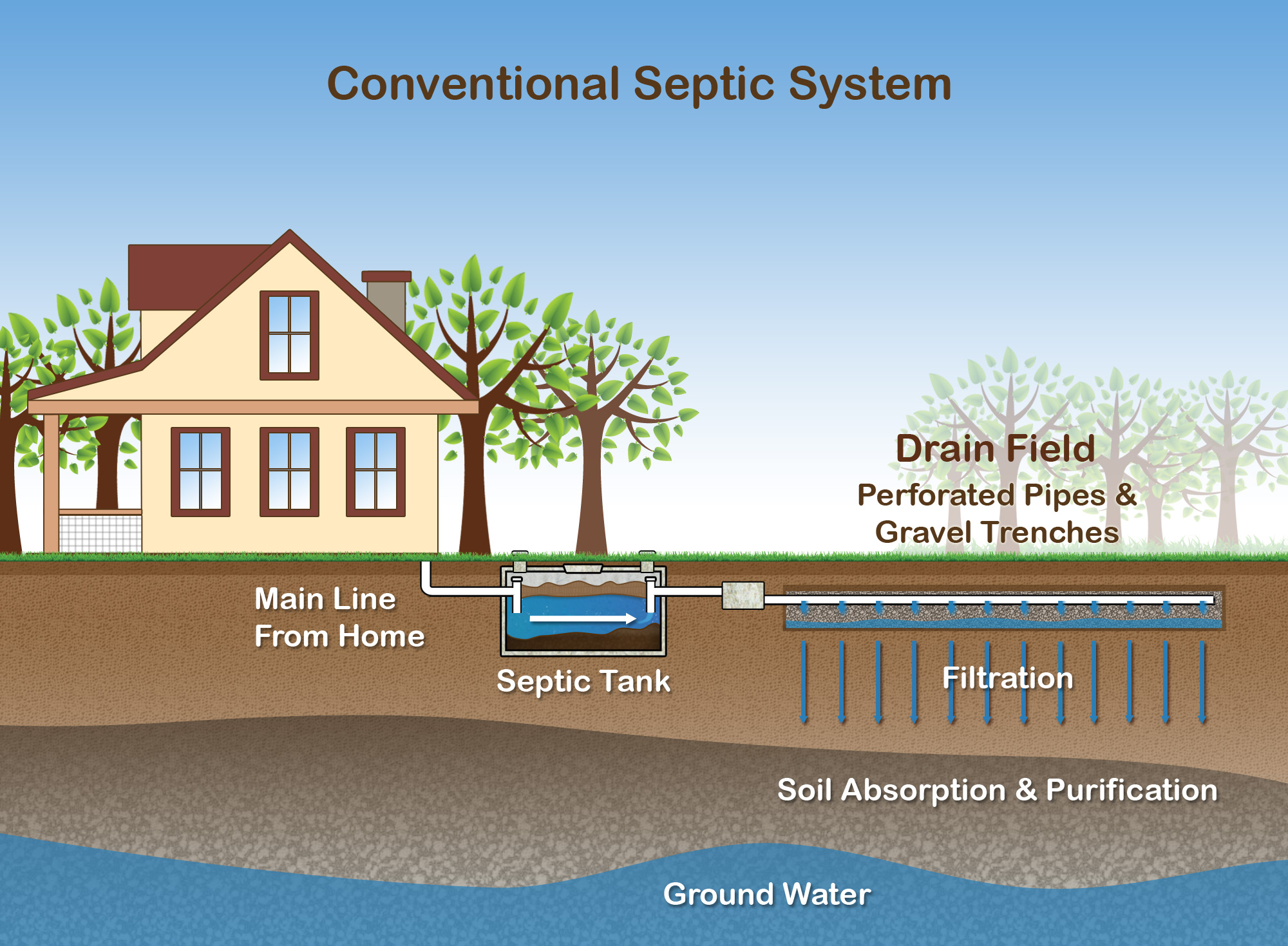
Homemade Septic Tank Treatment: Harnessing the Power of Molasses and Other Ingredients
Maintaining a healthy septic system is crucial for any homeowner with a traditional wastewater system. While commercial septic tank treatments exist, many homeowners seek natural and cost-effective alternatives. Enter the world of homemade septic tank treatments, where simple ingredients like molasses can work wonders in promoting a thriving septic ecosystem.
Why Molasses for Septic Tank Treatment?
Molasses, a thick, dark syrup derived from sugarcane or beet processing, acts as a natural microbial food source. The complex sugars and nutrients within molasses feed beneficial bacteria already present in your septic tank, encouraging their growth and activity. These bacteria break down waste effectively, reducing sludge buildup and promoting proper waste decomposition.
Homemade Septic Tank Treatment Recipe
While molasses is the star ingredient, a balanced blend of other natural components further enhances the effectiveness of your homemade treatment. Here's a step-by-step guide to creating your own:
Ingredients:
- 1 cup blackstrap molasses
- 1 cup baking soda
- 1 cup Epsom salts
- 1 gallon of water
Instructions:
- Mix all ingredients thoroughly in a large container.
- Pour the mixture directly into your septic tank inlet.
- Allow the treatment to work its magic for several days, or even a week.
- Repeat this process every few months for optimal septic health.
Beyond Molasses: Other Natural Ingredients
While molasses is a staple for homemade septic treatment, other ingredients can further boost its effectiveness. Consider incorporating these natural additives into your mixture:
- Yeast: Live yeast provides additional food for beneficial bacteria.
- Vinegar: Vinegar's acidity helps break down fats and grease, preventing clogs.
- Citrus peels: Citrus peels contain enzymes that aid in breaking down organic matter.
- Coffee grounds: Coffee grounds act as a natural deodorizer and improve drainage.
Important Considerations
Before embarking on homemade septic treatments, remember these crucial points:
- Start small: Introduce the treatment gradually to avoid overwhelming your septic tank's ecosystem.
- Avoid overloading: Too much organic matter can lead to problems. Follow recommended dosage guidelines.
- Monitor your septic system: Keep an eye on your system's performance and consult a professional if you suspect any issues.
- Regular maintenance is key: Homemade treatments are supplementary. Regular pumping and proper usage are crucial for long-term septic health.
By incorporating molasses and other natural ingredients into your septic tank maintenance routine, you can create a healthier and more efficient wastewater system. Remember to always consult with a qualified professional if you have any concerns or require expert advice.


No comments:
Post a Comment
Note: Only a member of this blog may post a comment.