
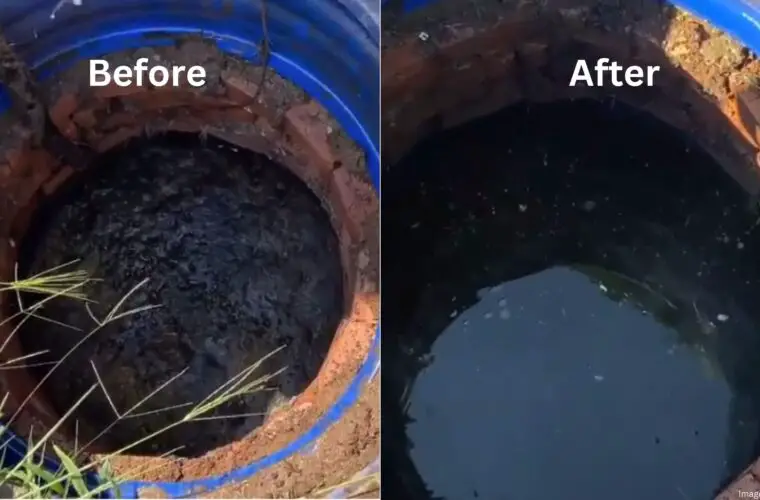
Cleaning Your Septic Tank Naturally: A Guide to Eco-Friendly Solutions
Maintaining a septic system is essential for any homeowner relying on it for wastewater treatment. While traditional methods often involve harsh chemicals, a growing number of individuals seek eco-friendly alternatives for cleaning their septic tanks. This article will guide you through natural and sustainable practices to keep your septic system healthy and functioning optimally.
Why Choose Eco-Friendly Septic Tank Cleaning?
Chemical-based septic tank cleaners can have detrimental effects on the environment and the delicate bacterial balance within your system. Harsh chemicals can disrupt the natural breakdown process, leading to sludge buildup and potential malfunctions. Conversely, natural solutions promote a healthy septic system by encouraging beneficial bacteria growth and preventing unwanted odors. Here are some compelling reasons to embrace eco-friendly approaches:
- Environmental Protection: Avoid introducing toxic chemicals into the ground and nearby water sources.
- System Health: Support the natural breakdown of waste and prevent sludge buildup.
- Cost-Effectiveness: Natural cleaners are often more affordable than commercial products.
- Odor Control: Natural solutions effectively neutralize unpleasant smells.
Natural Solutions for Septic Tank Cleaning
Fortunately, numerous natural and effective solutions can maintain your septic system's health. Consider these eco-friendly approaches to keep your system in top shape:
1. Beneficial Bacteria: The Foundation of Septic Health
At the heart of a well-functioning septic system lies a colony of beneficial bacteria responsible for breaking down waste. These bacteria thrive on organic matter, converting it into harmless byproducts. You can introduce beneficial bacteria to your septic tank through:
- Commercial Septic Tank Additives: Choose products containing live, active bacteria specifically formulated for septic systems.
- Homemade Bacteria Solutions: Combine a cup of dry yeast, a tablespoon of molasses, and a gallon of water. Pour this mixture into your septic tank monthly.
2. Enzymes for Enhanced Waste Breakdown
Enzymes act as catalysts, accelerating the decomposition process. You can find commercial enzyme-based septic tank cleaners that contain naturally derived enzymes. These enzymes work alongside bacteria to break down fats, oils, and grease, preventing them from clogging your system.
3. Baking Soda and Vinegar: A Simple yet Powerful Duo
Baking soda and vinegar are household staples known for their cleaning and deodorizing properties. To use this natural solution, mix a cup of baking soda with a cup of vinegar and pour it into your septic tank. The resulting chemical reaction helps break down grease and odors, promoting a cleaner system.
4. Essential Oils: Aromatherapy for Your Septic System
Essential oils can be a powerful tool for eliminating unpleasant odors from your septic tank. Citrus-based oils like lemon or orange have natural deodorizing properties. Add a few drops of your preferred essential oil to a cup of baking soda, and pour it into your tank. The oil will diffuse throughout the system, neutralizing unwanted odors.
Maintaining a Healthy Septic System with Sustainable Practices
Beyond cleaning, adopting sustainable practices can significantly contribute to the longevity of your septic system. Here are some key tips to consider:
- Minimize Fats, Oils, and Grease (FOG) Discharge: These substances can clog your pipes and disrupt the bacterial balance. Dispose of grease in a separate container and avoid pouring it down the drain.
- Proper Waste Disposal: Limit the amount of non-biodegradable materials like flushable wipes or paper towels entering your system. These items can clog pipes and slow down the decomposition process.
- Regular Inspections and Maintenance: Schedule regular inspections and maintenance to identify and address any potential issues early. This will help prevent costly repairs down the line.
- Water Conservation: Reduce water usage through measures like low-flow showerheads and efficient appliances. Less water entering your system means less waste to treat.
By embracing natural solutions and sustainable practices, you can maintain a healthy and efficient septic system while minimizing your environmental impact. Remember, a well-maintained septic system not only protects the environment but also ensures a safe and pleasant living environment for you and your family.


No comments:
Post a Comment
Note: Only a member of this blog may post a comment.